
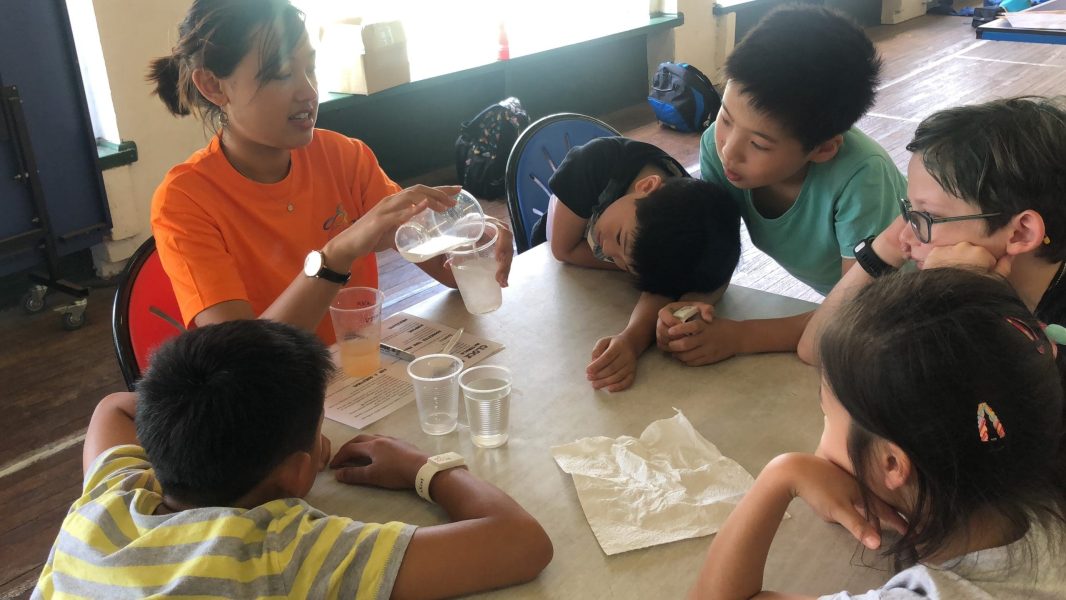
In the rapidly changing world today, the role of teachers has evolved from the traditional image of a teacher standing in front of a classroom, delivering lessons from a blackboard.
Success is judged on children’s abilities to remember this information and use it within strict time limits. While this might produce academically smart children, they may end up lacking in other skills vital today to become employable.
Moving from rote memorization, modern education has advanced to nurturing learners so that they become critical thinkers who are creative and emotionally intelligent.
This article will outline new dimensions of a teacher’s role and how they can embrace technology and mentorship to shape the leaders of tomorrow.
So, how can teachers adapt to remain impactful in the 21st century? Let’s find out.
What is the Role of a Teacher in the Modern Age?
It’s time for teachers to embrace their new role in the classroom as a mentor to children. Teachers can guide students by being a positive role model for them. This is particularly for children that don’t have a positive influence at home.

The world is changing – we have seen substantial technological changes over the past few years. The introduction of global influences and access was unheard of 30 years ago, such as today’s children, like adults, having smartphones in their pockets.
They are allowing them 24/7 access to the information highway of the internet. Everything they possibly want to know can be found on a Wikipedia page. So how can a teacher perhaps compete with that?
Teachers as Mentors: Guiding Beyond Academics
By incorporating a teacher-mentor mentality in the classroom, teachers can coach students and encourage them to adapt learning methods to suit their learning styles. This, therefore, challenges and inspires them to learn.
Modern teachers wear many hats—educators, counsellors, mentors, and motivators. They play an important role in shaping a learner’s mindset.
Mentorship in Action
A teacher might guide a shy child to build confidence by assigning collaborative group projects developing interpersonal skills while ensuring that academic content is covered simultaneously.
A Positive Influence
For students who do not have strong role models at home, teachers can become a positive influence by providing the stability and encouragement required to build self-worth and resilience.
Teachers today have the unique opportunity to inspire students to become independent learners, encouraging them to explore diverse learning methods that align with their styles.
Embracing Technology in Education
As children get older, students soon find that they can skip going to lectures as they can access the same information online in YouTube videos and webpages. It’s high time we change the way we teach children how to stay up to date
Now, technological advancements have changed the dynamics of the educational landscape. Through smartphones, students now have access to a world of information to educational tools reshaping classroom experiences. Similarly teachers are now are better equipped to improve classroom learning.
Interactive Learning Tools
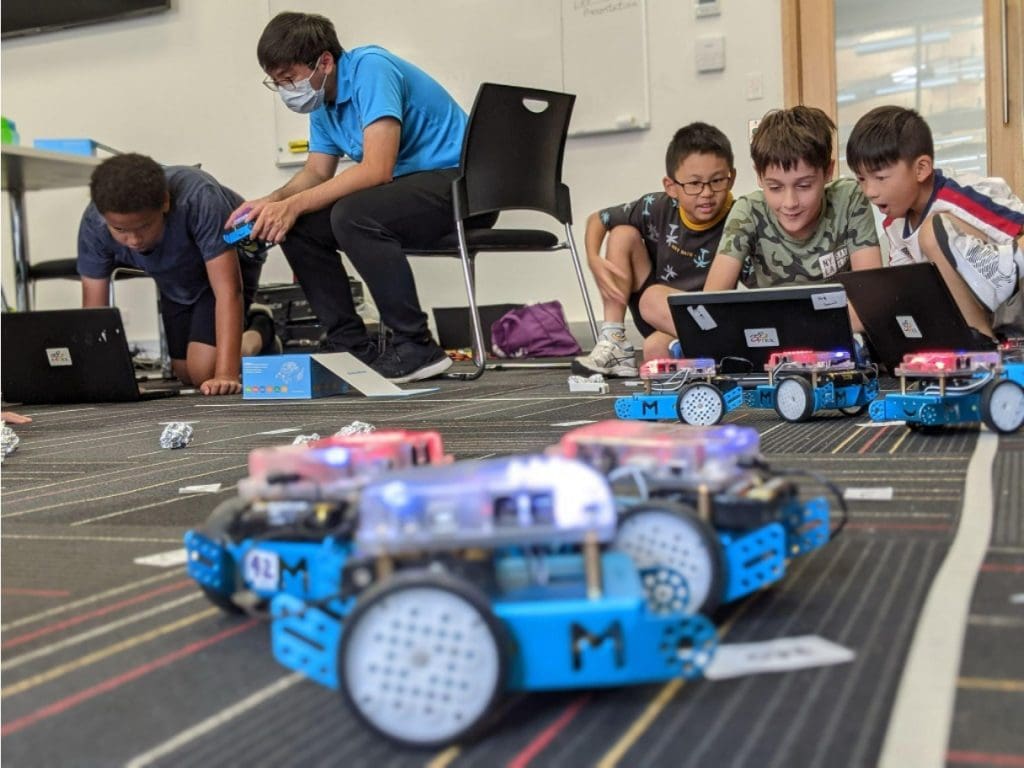
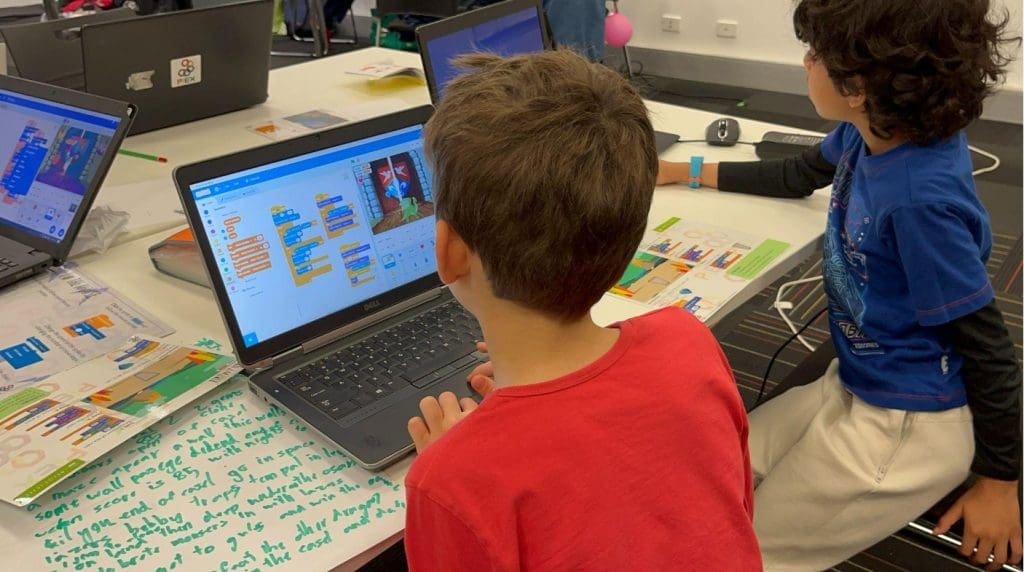
The after-school program at PIEX allows learners to immerse themselves in a technologically diverse environment to explore several programs, including coding and robotics, 2D animation, 3D modelling, and game design & animation.
Personalised Learning Paths
Online educational platforms such as PIEX strive to develop social and emotional skills in learners and equip them to become creative thinkers through innovative, technology-enhanced learning experiences.
Teachers as Curators of Critical Thinking
Children can learn everything about a subject online, but there may be more thought-provoking or interesting ways to learn the material.
This is where teachers can step in and present the material in a new way. Technology can help guide students’ learning and also engage them in lessons instead of simply providing them with knowledge.
In an era of information overload, where knowledge is a Google search away, teaching students how to think is far more valuable than telling them what to think.
Critical Thinking Exercises
Teachers can use real-world problems to challenge students to think analytically and propose solutions. For instance, talking about climate change solutions can bring together geography, science, and ethics into a single, thought-provoking lesson.
Global Perspectives
Incorporating diverse cultural examples broadens the understanding of students with respect to international issues. It prepares them to sail smoothly through the complex world they’ll have to navigate through as adults.
From Knowledge Providers to Lifelong Mentors
The modern teacher has moved on from a conveyor of knowledge to a lifelong mentor by equipping students with the tools to navigate a fast-changing world. Teachers can create dynamic, inclusive, and forward-thinking learning environments by using technology, embracing their role as mentors, and focusing on critical thinking.

Mentorship is not limited to competing with technology or global resources—it’s about using resources to instil curiosity, encourage independence, and build the next generation of thoughtful, adaptable leaders.
Teachers are, and will always be, the cornerstone of modern education. However, the role of educators is evolving so the teachers must go beyond imparting facts and knowledge. They need to encourage critical thinking that leads to lifelong learning. This way educators empower the next generation to handle challenges by teaching students how to think, rather than what to think.