
Imagine a group of ten-year-olds glowing with pride as they demonstrate a game they just designed. One where a bouncing kangaroo saves the planet from pollution.
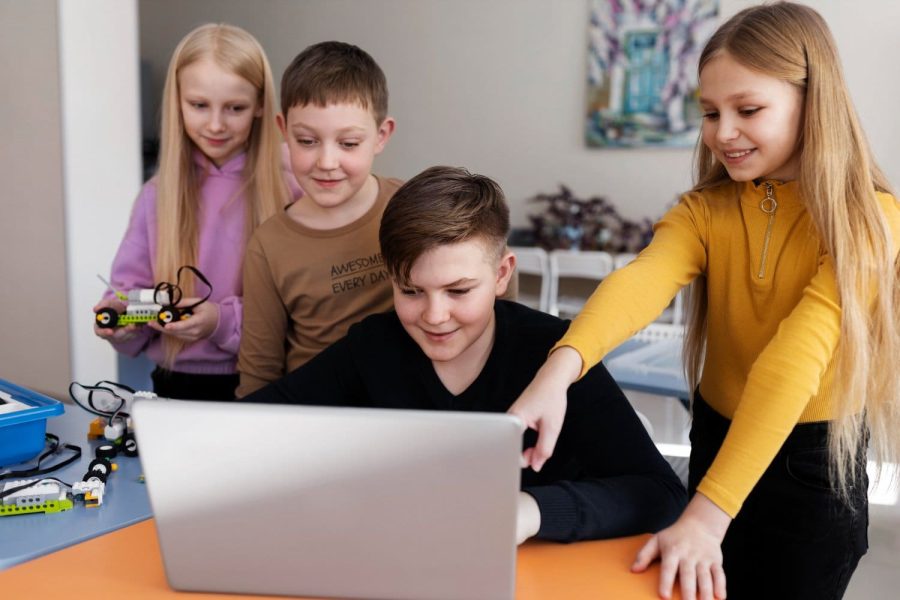
Or picture six-year-olds cheering as the robot they built moves for the very first time, responding to their code like magic. These moments are no longer rare, they’re becoming the new norm in classrooms that embrace coding programs, robotic programs, and game designing courses.
At PIEX, we’ve seen time and again how these tools don’t just teach technology, they build resilience, spark creativity, and transform how young people learn and think about the world around them.
It’s Not Just Tech—It’s Thinking
One of the biggest misconceptions about coding is that it’s just about writing lines of code. In truth, coding teaches something much deeper: structured thinking.
Let’s say a child is designing a simple animation in Scratch. They need to figure out the logic of how characters move, what happens when keys are pressed, and how to fix things when the code doesn’t work. That’s problem-solving, logical sequencing, and even storytelling all rolled into one.
Now add robotics to the mix. Instead of code living on a screen, it’s suddenly controlling motors, lights, and movement. When kids programme a robot to follow a line or avoid obstacles, they experience firsthand how their instructions translate into physical action.
That direct feedback is incredibly empowering and it deepens their understanding of physics, maths, and even empathy. One group of our students once programmed a robot to help another student with mobility issues. This is proof that tech in young hands can lead to meaningful, human-centred innovation.
Starting Early: Yes, Even Preschoolers Can Learn
If you think coding is only for teenagers, think again. For example, a four year old doesn’t know what syntax or variables are, but she can use a tablet app to drag colourful blocks that make a bee-shaped robot spin and move forward. She expresses delight every time it works, and when it doesn’t, she tries again. That’s foundational learning: logic, resilience, and cause and effect.
Many parents and educators worry about starting too soon. That’s why we created a practical, easy-to-follow web story: Teaching Robotics and Coding to Preschoolers: A Beginner’s Guide. It walks you through simple, engaging ways to introduce robotics at a young age, even if you’re not a tech expert. From storytelling bots to interactive songs, the goal is to make learning fun and intuitive, not intimidating.

Online Coding for Kids: Opening Doors Everywhere
Let’s consider the example of a bright 10-year-old from a small rural town, say Leo. Now Leo’s school didn’t have a dedicated computer science teacher, but that didn’t stop him. Using an online coding for kids platform, he taught himself to build animations, then moved on to coding interactive quizzes for his classmates. What started as curiosity soon became confidence and today, Leo is creating his own educational games to help younger students learn maths.
That’s the magic of online learning. It gives children like Leo access to high-quality, gamified education no matter where they live. These platforms often use game-based programming, where learning happens through challenges, rewards, and storytelling. The experience feels more like playing a video game than doing homework and kids love it.
More importantly, it teaches them at their own pace. Some learners pick things up quickly and jump ahead. Others take their time, revisit lessons, and slowly build understanding. In either case, the sense of achievement that comes with building something from scratch is unmatchable.
Game Designing Courses: The Joy of Creating
If you’ve ever watched a child invent their own world from sketching characters to plotting missions you’ll understand why game designing courses are such a powerful educational tool. They merge logic with creativity, giving kids control over how a game works, looks, and feels.
In one of our workshops, students worked together to create a game about protecting marine animals from pollution. They coded how players would collect trash, rescue sea creatures, and unlock “eco warrior” badges. While they were having a blast designing the game, they were also learning about environmental science, empathy, collaboration, and systems thinking.
Game design gives students a reason to care about their code. It’s no longer an abstract exercise, it’s a way to build something fun, meaningful, and entirely their own. And because they’re designing for others, they also learn about user experience, storytelling, and feedback. These are all essential skills in today’s digital world.
When Code Comes to Life: Robotics in Action
One of the most thrilling moments in any PIEX session is when the robot finally works. It may be navigating a maze, playing music or lifting a block. Whatever the goal, when it happens, the room lights up. Children rush to show their friends, tweak their code, and make their robots even better.
You can read incredible student stories in our web story: Unlocking Children’s Potential: The Transformative Power of Robotics. From obstacle-avoiding bots to caring companions, young learners continue to amaze us with what they can create when given the tools and support.

Real Results in Real Classrooms
Across countless classrooms, we’ve seen how coding and robotics can transform not just how students learn, but how they connect with learning itself. A group of previously disengaged students can start showing up more regularly and taking active roles in group work after robotics was introduced. A quiet learner who once kept to themselves may emerge as a confident leader, guiding peers through complex challenges with ease.
In another classroom, coding was blended into storytelling lessons, where students created interactive narratives with multiple outcomes. This approach sparked creativity, improved writing skills, and helped students better understand structure and flow.
These stories show that coding and robotics aren’t just about future tech jobs, they’re about giving every learner the tools to think critically, solve problems, and express themselves in new and exciting ways.
Overcoming the Hurdles
Of course, there are challenges. Some schools worry about cost, especially when it comes to robotics kits or teacher training. But starting doesn’t have to be expensive. Many coding platforms are free to use, and even one programmable robot can make a big impact when shared among students.
Professional development is also key. Teachers don’t need to be tech wizards to lead a successful program. With the right support, they can learn alongside their students, and sometimes, the students become the teachers! That spirit of collaboration and discovery is at the heart of what makes these programs work.
A Glimpse Into the Future
Think about the world we’re preparing our children for. Many of the jobs they’ll hold haven’t even been invented yet. But we know they’ll need to be adaptive, tech-savvy, and confident in solving problems. They’ll need to work with others, think creatively, and use digital tools to bring their ideas to life.
Whether they become engineers, artists, environmentalists, or entrepreneurs, the skills they learn through coding programs, robotic programs, online coding for kids, and game designing courses will serve them well. They’ll learn not just how to use technology, but how to create with it.
We want to build a future where every child, regardless of background or postcode, has access to these opportunities. Where the next great inventor, animator, or game designer can start exploring their passion in primary school, with nothing more than a laptop and a curious mind.
So, Where Do We Begin?
If you’re a parent, encourage your child to try out a free coding app or build a robot together on the weekend. If you’re a teacher, introduce a small project in your classroom, perhaps a storytelling game or a robot that moves across a desk. And if you’re just someone who wants to support young learners, consider mentoring, donating, or simply spreading the word.
At PIEX education, the tools are ready. The talent is already there. All we need to do is unlock it. Let’s build a generation of creators, thinkers, and changemakers, one line of code, one robot, and one idea at a time.
Feature Image Source: Freepik
Frequently Asked Questions
1. Why are coding and robotics considered transformative tools in education?
Coding isn’t just about writing lines of code – it teaches structured thinking, problem‑solving and logical sequencing. When robotics is added, learners see how instructions control motors, lights and movement, giving them immediate feedback and deepening their understanding of physics, maths and even empathy. This combination helps children learn to solve problems, think creatively and express ideas, making coding and robotics powerful educational tools.
2. At what age can children start learning coding and robotics?
Even preschoolers can learn the basics. A four‑year‑old, for example, can drag colourful blocks in an app to make a bee‑shaped robot move, learning logic, resilience and cause‑and‑effect through play. Introducing coding and robotics early nurtures foundational skills without requiring children to understand formal syntax.
3. How do online coding programs benefit children, especially those in rural areas?
Online coding platforms give kids access to high‑quality, gamified education wherever they live. One of our students, a 10‑year‑old from a rural town used an online platform to build animations and interactive quizzes for classmates. Gamified lessons make learning feel like playing a video game and allow learners to progress at their own pace, fostering confidence and creativity.
4. What makes game‑design courses valuable for young learners?
Game design courses merge logic with creativity: children sketch characters, plot missions and code the mechanics of a game. In one PIEX workshop students built a game about protecting marine animals, learning environmental science, empathy, collaboration and systems thinking. Designing games gives them a reason to care about their code and teaches user‑experience, storytelling and feedback skills.
5. How does hands‑on robotics enhance the learning experience compared to screen‑based coding?
Seeing code come to life is one of the most thrilling parts of a PIEX session. When a robot navigates a maze, plays music or lifts a block, children celebrate and immediately tweak their code to improve it. This real‑world feedback deepens understanding and keeps learners engaged in refining their creations.
6. Can coding and robotics programs improve classroom engagement and academic skills?
Yes. We have seen previously disengaged students who became active participants after robotics was introduced and shy learners who gained confidence and led peers through complex challenges. Integrating coding into storytelling lessons improved creativity, writing skills and understanding of narrative structure. Overall, these programs help learners think critically and express themselves in new ways.
7. What challenges do schools face when implementing coding and robotics, and how can they overcome them?
Schools often worry about costs and teacher training. However, starting doesn’t have to be expensive—many coding platforms are free and a single programmable robot can make a big impact when shared. Professional development helps teachers learn alongside students, fostering a collaborative spirit where pupils sometimes become the teachers.
8. Why is it important to teach coding and robotics now in preparation for the future?
Children are being prepared for a world where many future jobs have yet to be invented. They’ll need to be adaptive, tech‑savvy, creative and collaborative. Skills gained through coding programs, robotic programs, online coding for kids and game‑designing courses teach them how to create with technology and thrive in various roles—from engineering to entrepreneurship.
9. How can parents and teachers get started with coding and robotics?
We recommend starting small: parents can explore free coding apps or build a simple robot with their child on the weekend. Teachers might introduce a storytelling game or a basic robot project in the classroom. Anyone interested in supporting young learners can mentor, donate or spread awareness about these opportunities.